Crime and Punishment
Post: Crime and Punishment
The readings on crime and punishment made me reconsider how justice is served and the moral dilemmas involved in severe penalties. They provided an opportunity to reflect on the balance between accountability and ethical considerations.

Commentary:
After reflecting on the concept of crime and punishment, it is evident that while certain crimes undoubtedly deserve severe penalties, the question arises whether the death penalty should be one of those consequences. Many argue that such extreme measures are necessary to deter heinous crimes. However, I believe that implementing the death penalty is not an appropriate solution, as it raises serious ethical concerns.
Instead of focusing solely on punitive measures, I believe the government should prioritize policies that offer support to citizens. While law enforcement plays a critical role in maintaining safety, policies that promote social welfare, such as education, healthcare, and job opportunities, are equally important. These proactive approaches can help reduce crime rates more effectively than punitive measures alone.
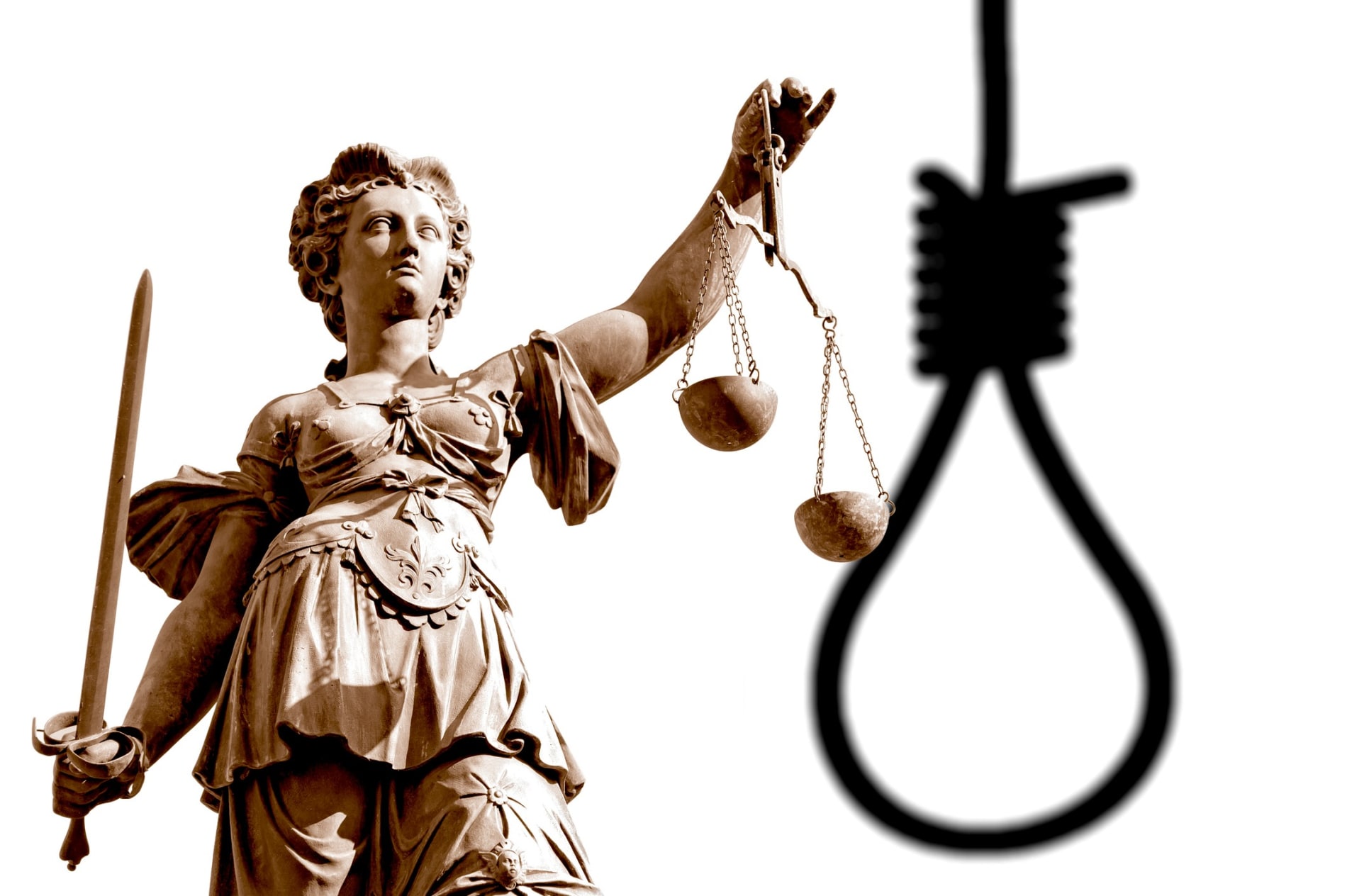
Additionally, implementing the death penalty as a form of punishment creates ethical dilemmas. Taking a life in response to a crime, no matter how severe, raises the question of whether society itself is committing a moral wrong. The death penalty contradicts the principle of rehabilitation, which is essential in addressing the root causes of crime and helping individuals reintegrate into society.
Conclusion
Addressing crime requires more than just punishment—it involves a balanced approach that includes prevention, rehabilitation, and ethical justice. While some crimes may warrant severe consequences, society must always question whether retributive measures like the death penalty align with our moral values and justice system.
Write by: Laura Isabella Moreno Herrera
Addressed to: Beatriz Jaraba Mestra
Digital Animation Technology Student at SENA. 2024


Comentarios
Publicar un comentario